Critical shortage of tilapia supplies!
Aug 19, 2026
After weeks‑long consecutive increases, raw material prices for Chinese tilapia have temporarily stabilized. Yet what the market truly cares about is not when prices will fall back, but when sufficient fish supply will become available.
In Week 34 of 2026 (August 17‑23), ex‑factory prices at processing plants in China’s three major tilapia‑producing regions — Guangdong, Guangxi and Hainan — held steady. Prices for the two key sizes, 300‑500g and 500‑800g, remained flat week‑on‑week.
Stabilized prices do not mean supply pressure has eased. Industry sources forecast that tight raw‑material supply may persist into early 2027, due to reduced fry stocking in the first half of the year combined with tilapia’s farming cycle. Substantial new supply is not expected to hit the market until around February next year.
In Week 34 of 2026 (August 17‑23), ex‑factory prices at processing plants in China’s three major tilapia‑producing regions — Guangdong, Guangxi and Hainan — held steady. Prices for the two key sizes, 300‑500g and 500‑800g, remained flat week‑on‑week.
Stabilized prices do not mean supply pressure has eased. Industry sources forecast that tight raw‑material supply may persist into early 2027, due to reduced fry stocking in the first half of the year combined with tilapia’s farming cycle. Substantial new supply is not expected to hit the market until around February next year.
Lower fry stocking during the first half of the year has led to a raw‑material supply gap.
The current tilapia raw‑material shortage stems largely from the sluggish market performance earlier this year. Long‑term low tilapia prices squeezed farmers’ profit margins. Some farmers cut fry stocking volumes, while others postponed restocking or switched to alternative aquaculture species.
The impact of lower fry input does not materialize immediately. As previously stocked fish have gradually been sent to processors, the volume of market‑ready adult fish has declined, driving successive hikes in raw‑material prices.
Fry sales picked up moderately in August. A senior executive from a large fry producer, which accounts for roughly 70 % of Hainan’s fry market, reported that August fry sales have outperformed those of preceding months, signalling gradually recovering confidence among aquaculture farmers.
Even so, current fry orders are still lower compared with the same period in 2025. Recent incremental fry volumes are insufficient to reverse tight raw‑material supply in the short run.
The impact of lower fry input does not materialize immediately. As previously stocked fish have gradually been sent to processors, the volume of market‑ready adult fish has declined, driving successive hikes in raw‑material prices.
Fry sales picked up moderately in August. A senior executive from a large fry producer, which accounts for roughly 70 % of Hainan’s fry market, reported that August fry sales have outperformed those of preceding months, signalling gradually recovering confidence among aquaculture farmers.
Even so, current fry orders are still lower compared with the same period in 2025. Recent incremental fry volumes are insufficient to reverse tight raw‑material supply in the short run.
Approximately Six‑Month Cycle From Fry to Market‑Ready Fish
It normally takes around six months for tilapia to grow from fry to processing‑ready size. Even if farmers scale up fry stocking starting in August, these stocks will not reach marketable weight until about February 2027.
This means Chinese tilapia processors will continue to face constrained raw‑material availability over the next six months. Temporary price stability during this period should not be interpreted as a return to balanced supply and demand.
The current price plateau for 300‑500g and 500‑800g fish represents a consolidation phase following prolonged price rises. As long as new adult fish have not entered the supply chain, procurement competition among processors for existing raw materials will remain intense.
Higher raw‑material prices benefit fish farmers. Previously depressed prices had dampened farmers’ willingness to stock fry, whereas recent price gains have lifted farming confidence. For processors, however, the situation is far less favourable: procurement costs are rising, yet export product prices have not moved upward accordingly, squeezing corporate profit margins from both sides.
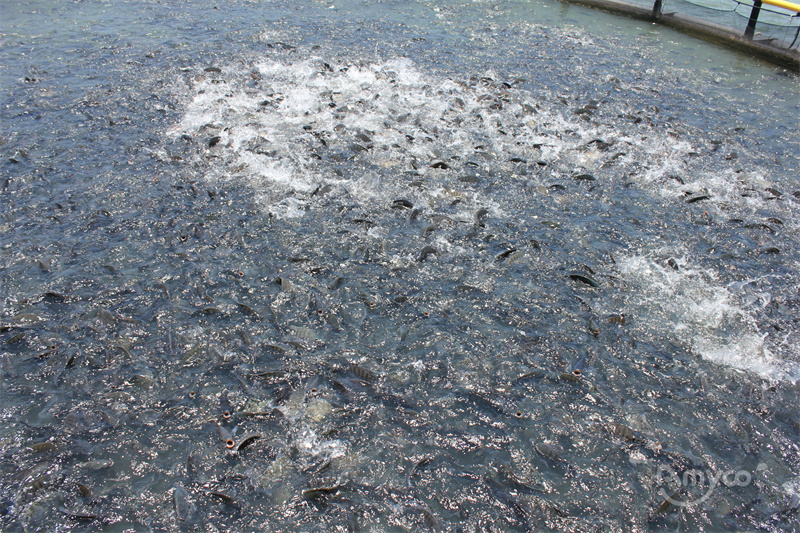
US Wholesale Prices Have Not Risen in Tandem
In Week 33, wholesale prices for frozen tilapia fillets in the United States stayed within existing quotation ranges.
US importers hold relatively adequate inventories and maintain cautious purchasing activity. Most buyers only place orders to cover near‑term demand without large‑scale restocking. Fierce competition among suppliers also prevents Chinese processors from fully passing increased raw‑material costs onto US customers.
A notable price divergence has therefore emerged: raw‑material prices for Chinese tilapia keep strengthening, while wholesale prices in the US market remain flat.
If processors produce new batches at today’s high raw‑material costs, margins will shrink further. Should they raise export quotations, they risk reduced order volumes or losing customers to competing supplying countries.
US importers hold relatively adequate inventories and maintain cautious purchasing activity. Most buyers only place orders to cover near‑term demand without large‑scale restocking. Fierce competition among suppliers also prevents Chinese processors from fully passing increased raw‑material costs onto US customers.
A notable price divergence has therefore emerged: raw‑material prices for Chinese tilapia keep strengthening, while wholesale prices in the US market remain flat.
If processors produce new batches at today’s high raw‑material costs, margins will shrink further. Should they raise export quotations, they risk reduced order volumes or losing customers to competing supplying countries.
New US Tariffs Make US‑Bound Orders Harder to Fulfil
Beyond raw‑material cost inflation, new US Section 301 tariff measures are shaping Chinese processors’ order‑taking decisions for tilapia exports to the US.
In July, the US announced new Section 301 measures covering 60 economies, with tariff rates set at 10 % and 12.5 %, alongside product‑specific exemptions. China falls under the 12.5 % tariff bracket. Nevertheless, market participants lack clarity on implementation details for tilapia products, applicable exemptions, and how new duties will stack with existing tariffs.
Some Hainan‑based exporters note that, under current raw‑material prices, export quotations and potential tariff expenses, several US‑destined orders can hardly generate reasonable profit. Companies are now assessing not just order volumes, but whether certain orders are commercially viable at all.
Such uncertainty hampers forward‑contract negotiations. Importers hesitate to place large orders amid unclear tax rules, while processors fear further increases in raw‑material and tariff costs after signing long‑term contracts.
China’s Frozen Tilapia Fillet Exports to the US Drop by 16%
Between January and June 2026, US imports of frozen tilapia fillets from China totalled approximately 78.57 million pounds (around 35 600 tonnes), down 16 % versus the same period of 2025.
China remains the leading supplier of frozen tilapia fillets to the US market. Even so, by the end of June, US import volumes of Chinese tilapia had been overtaken by Mexico.
Faced with lower US orders, Chinese processors are accelerating development of alternative markets. African markets including Côte d’Ivoire are expanding rapidly and absorbing growing volumes of Chinese tilapia.
Compared with the US market, certain African countries show higher tolerance for whole‑round fish, diversified sizes and varied price tiers, opening new outlets for Chinese exporters to utilise production capacity. That said, market diversification cannot resolve compressed processor profits overnight. Different markets come with distinct requirements for product specifications, payment terms, cold‑chain logistics and counterparty credit risks.
February 2027 Likely a Turning Point for Supply Conditions
China’s tilapia industry is undergoing clear divergence across its value chain. Fish farmers benefit from improved fish prices and show renewed willingness to stock fry. Processors, by contrast, bear multiple pressures: climbing raw‑material costs, subdued export prices and uncertainty surrounding US tariffs.
August’s fry sales recovery is a positive indicator. Given the roughly six‑month farming cycle, this extra output cannot feed processors immediately. Raw‑material supply is projected to stay tight until new tilapia stocks come onto the market in quantity around February 2027.
Over the coming six months, market focus will extend beyond raw‑material price movements. Key variables include sustained fry stocking by farmers, processors’ capacity to absorb higher procurement costs, and whether African and other alternative markets can take larger volumes of Chinese tilapia.
For processing enterprises, the period ahead will be a delicate balancing act among raw‑material access, order intake and profit preservation.
Latest News
-
 With Trump's tariffs, American importers will lose $350 million a yearUS President-elect Donald Trump said on social media on the 25th that he would impose a 25% tariff on all imports from Mexico and Canada and a 10% tariff on Chinese goods. It has been calculated that ...
 -
 See you at Gulfood expo in UAE,26-30,Jan,2026Gulfood 2026 | Dubai World Trade Centre | January 26-30AMYCO FOOD is on-site to discuss all things premium frozen seafood—we specialize in exporting a full range of frozen products, with strict ...
 -
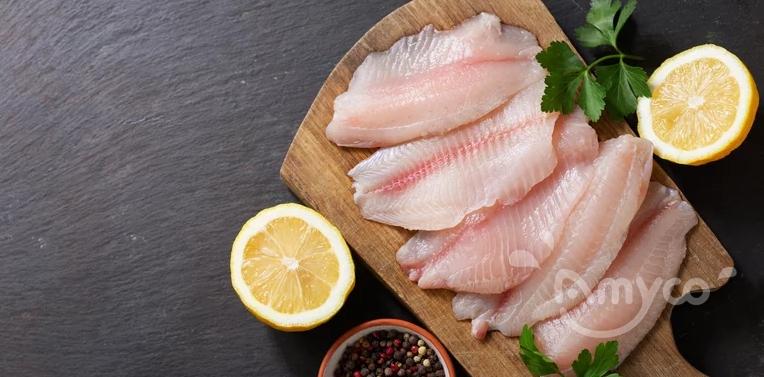 With tariffs significantly reduced, China 's tilapia is expected to re-enter the US market-copy-1748The high-level economic and trade talks between China and the United States in Geneva have made substantial progress. From May 14, 2025, the two sides will cancel 91% of the additional tariffs, suspen...
 -
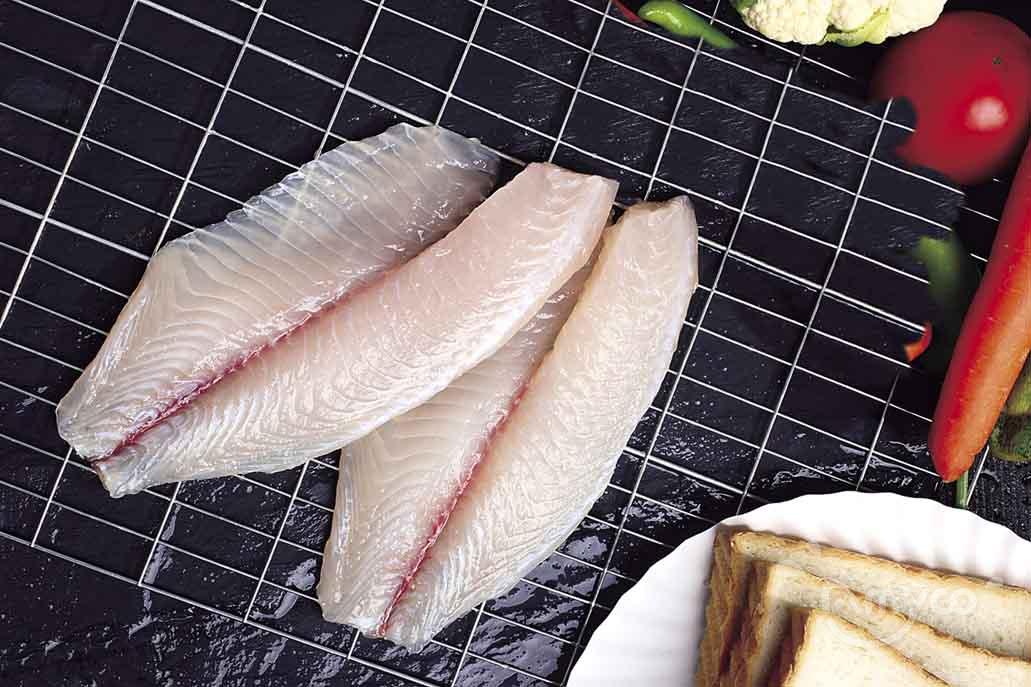 Why the world needs Tilapia?The world as we know today homes more than 800 million chronic malnourished people. This is a serious issue, especially when human’s population doesn’t show any sign of decreasing, being p...
 -
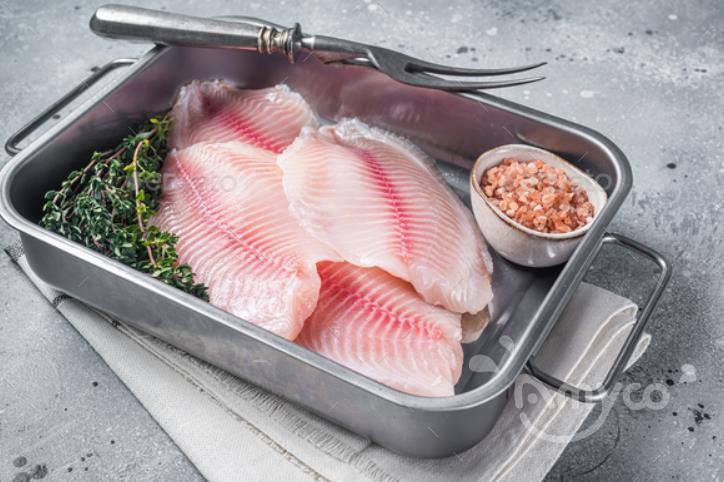 Update on Tilapia in the United StatesOver the past month, the wholesale market for frozen tilapia in the United States has experienced a continuous decline. In Week 33 (August 11-17), the average price fell by $0.10/lb, with declines ran...