The price of Chinese tilapia has continued to rise, and farmers' confidence in stocking has recovere
In the 33rd week of 2026 (from August 10th to 16th), the price of raw tilapia in China continued to rise. The prices of 300-500 grams and 500-800 grams of tilapia from the production areas of Guangdong and Guangxi sent to processing plants increased by 0.20 yuan per kilogram (approximately 0.03 US dollars per kilogram) compared to the previous week, while the price in the production area of Hainan remained unchanged.
This round of increase is the direct result of the continuous tightening of raw material supply. Over the past approximately one year, the wholesale price of tilapia has remained low, dampening the enthusiasm of farmers to invest in breeding. They generally reduced their breeding scale and the amount of seedlings planted. As the second half of the year approached, the effect of the earlier low seedling investment gradually spread to the supply of mature fish. The supply of fish of the desired size significantly decreased, and the difficulty for processing plants to receive fish increased, driving the raw material prices to rise continuously for several weeks.
The head of an export enterprise in Guangdong stated that the increase in raw material prices is reasonable and the pressure has been passed on to the processing stage. He disclosed that the current raw material prices are no longer sufficient to support the profitable operation of the processing plants, and the enterprise will adjust the price of fish fillets in the near future. The pressure of raw material price hikes is gradually being transmitted to the downstream finished product stage.
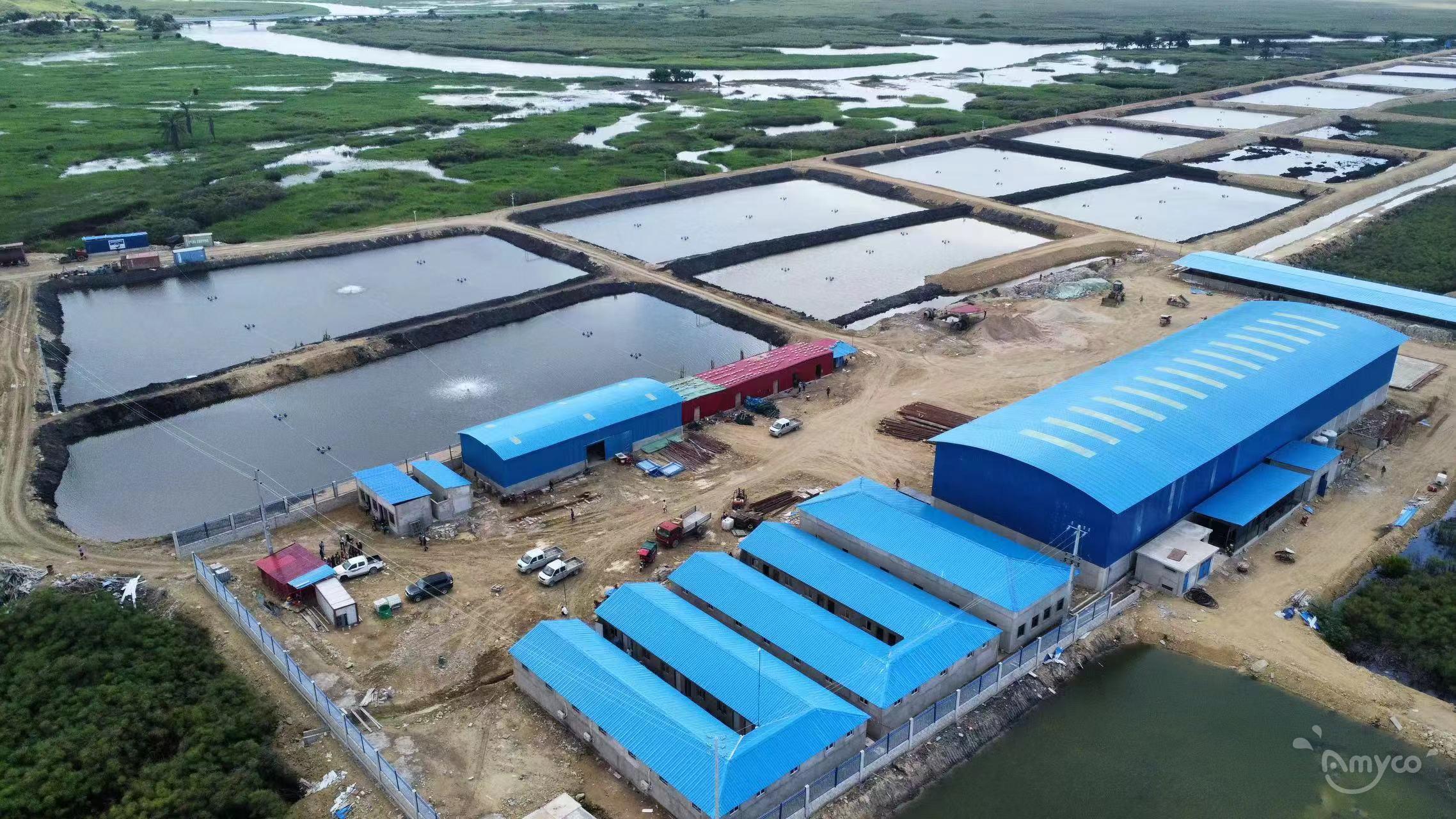
The survey conducted by industry publications also confirmed the judgment of the tightened stock levels. The number of roach fish in stock that met the specifications in the South China region has significantly decreased. The long-term low-price situation has finally shown signs of improvement. The shortage of fish in the Hainan production area is particularly severe. Previously, many traders often transported Hainan roach fish to Guangdong for sale. Recently, this cross-regional circulation has stopped, further intensifying the fish collection pressure on local processing plants in Hainan.
The price recovery is altering the behavior of farmers. Industry publications report that the continuous rise in fish prices has boosted the confidence of farmers, and recently the rate of fish stocking has shown a strong rebound. This is the first sign since the beginning of the year that the enthusiasm for stocking has significantly improved. If this trend continues, it is expected that the situation of insufficient supply of mature fish will gradually improve in the following months. However, it will still take several months for the fish to reach the desired size and be ready for market release. In the short term, the tight supply situation of raw materials is unlikely to be fundamentally reversed.
The uncertainty in the US market remains the biggest variable weighing on export enterprises. On July 24th, the US initiated new Section 301 tariff measures against 60 economies, with China facing an additional 12.5% increase. An exporter in Hainan stated that there is currently no clear guidance on how the US tariffs will be implemented, and the entire industry has once again fallen into confusion. He said outright that there is no profit margin for US orders now; the current issue is not whether one can make a profit, but whether to accept the orders.
This statement reflects the double pressure imposed on export enterprises by tariffs and the increase in raw material prices. Since 2018, Chinese tilapia exports to the United States have been subject to a 25% Section 301 tariff. If the additional 12.5% tariff is officially implemented, the combined rate will reach 37.5%, further squeezing the already meager export profits.
The wholesale market in the United States has remained relatively calm for the time being. In the 32nd week (from August 3rd to 9th), the wholesale price of Chinese frozen tilapia in the US market remained within the existing quotation range. Abundant inventory and cautious purchasing continue to offset the increase in raw material costs from China. American buyers still only focus on immediate demand and are unwilling to extend the procurement coverage period in the face of uncertain tariff prospects. The abundance of inventory, weak demand, and fierce competition among Chinese exporters have jointly limited the ability of processing plants to pass on the rising replenishment costs to the wholesale prices. Many processing plants have reported that their current business in the US is making only meager profits or even no profits at all at the current prices.
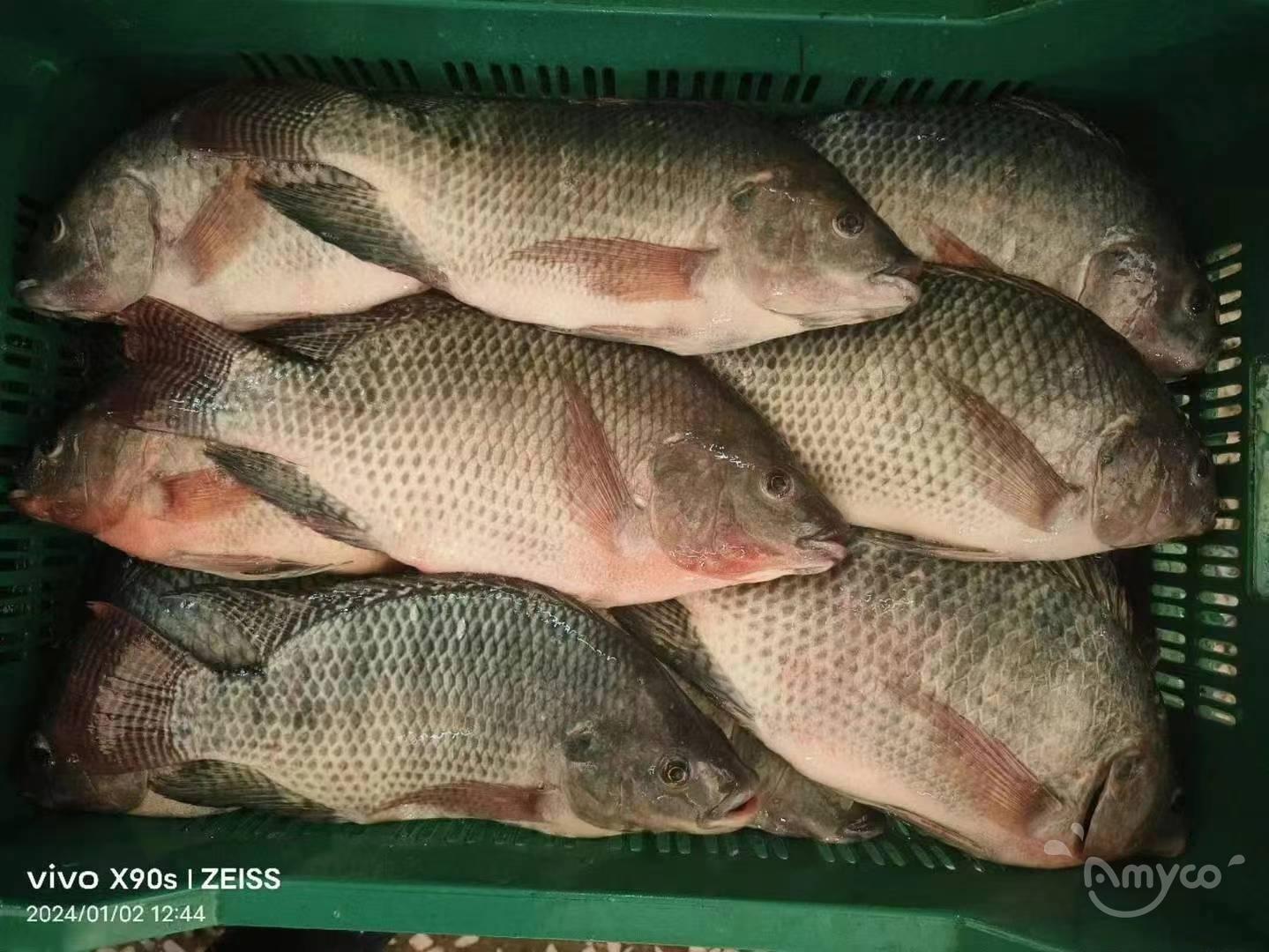
The uncertainty in trade policies has also dampened forward purchases. The newly implemented Section 301 tariffs and ongoing legal challenges have not yet had a substantial impact on the wholesale prices in the United States, but the unclear long-term scope of their application continues to hinder forward purchases and makes the expected replenishment costs ambiguous.
The US import data reflects the deep changes in the trade pattern. From January to May 2026, the US imported approximately 66.1 million pounds of frozen tilapia fillets from China, a decrease of 21.7% compared to approximately 84.5 million pounds in the same period in 2025. China remains the dominant supplier of frozen tilapia fillets in the US market, but in the single destination export rankings of China, the US has been surpassed by Mexico and has dropped out of the top positions. The faster-growing African market, including Côte d'Ivoire, is absorbing a larger share of China's tilapia production capacity, providing alternative outlets for exporters.
Latest News
-
 Our Delicious Breaded Tilapia Fillet - The Perfect Addition to Your Menu!We hereby recommend Breaded Tilapia Fillet, which is sure to be a hit with your customers and elevate your menu to new heights. Our Breaded Tilapia Fillet is made from the finest quality tilapia fish,...
 -
 Update on Tilapia in the United StatesOver the past month, the wholesale market for frozen tilapia in the United States has experienced a continuous decline. In Week 33 (August 11-17), the average price fell by $0.10/lb, with declines ran...
 -
 The price of Golden Pompano continues to soar!Recently, there has been a lot of good news in the Golden Pompano market! In fact, since the farming harvest season in 2022, the price of Golden Pompano has been rising all the way. In the past month,...
 -
 How is the shrimp price going?According to statistics, although shrimp production is expected to reach 5 million tons this year, prices are already lower than the levels before COVID-19, and the market may experience "recessi...
 -
 The eel catch in the new fishing season is lower, and the price of eel will continue to rise.The 2024 eel fry fishing season in East Asia ended in disappointment. Despite the best efforts of national and regional fishermen, the overall catch of eel fry is still not satisfactory, down nearly 3...